Running several brands or markets on a shared platform is one of the best economic decisions a digital business can make. Build a feature once, ship it everywhere. Launch a new brand in weeks instead of months. Share engineering, infrastructure and data across the whole group.
That’s the theory. In practice, many multi-brand platforms slowly lose those advantages, and the loss is hard to see because it happens one reasonable decision at a time.
How drift happens
A brand needs something slightly different, so the team adds a configuration option. Another brand needs a different checkout flow for one market, so it gets a custom version. A third brand is mid-campaign when a shared component is upgraded, so it stays on the old version for now.
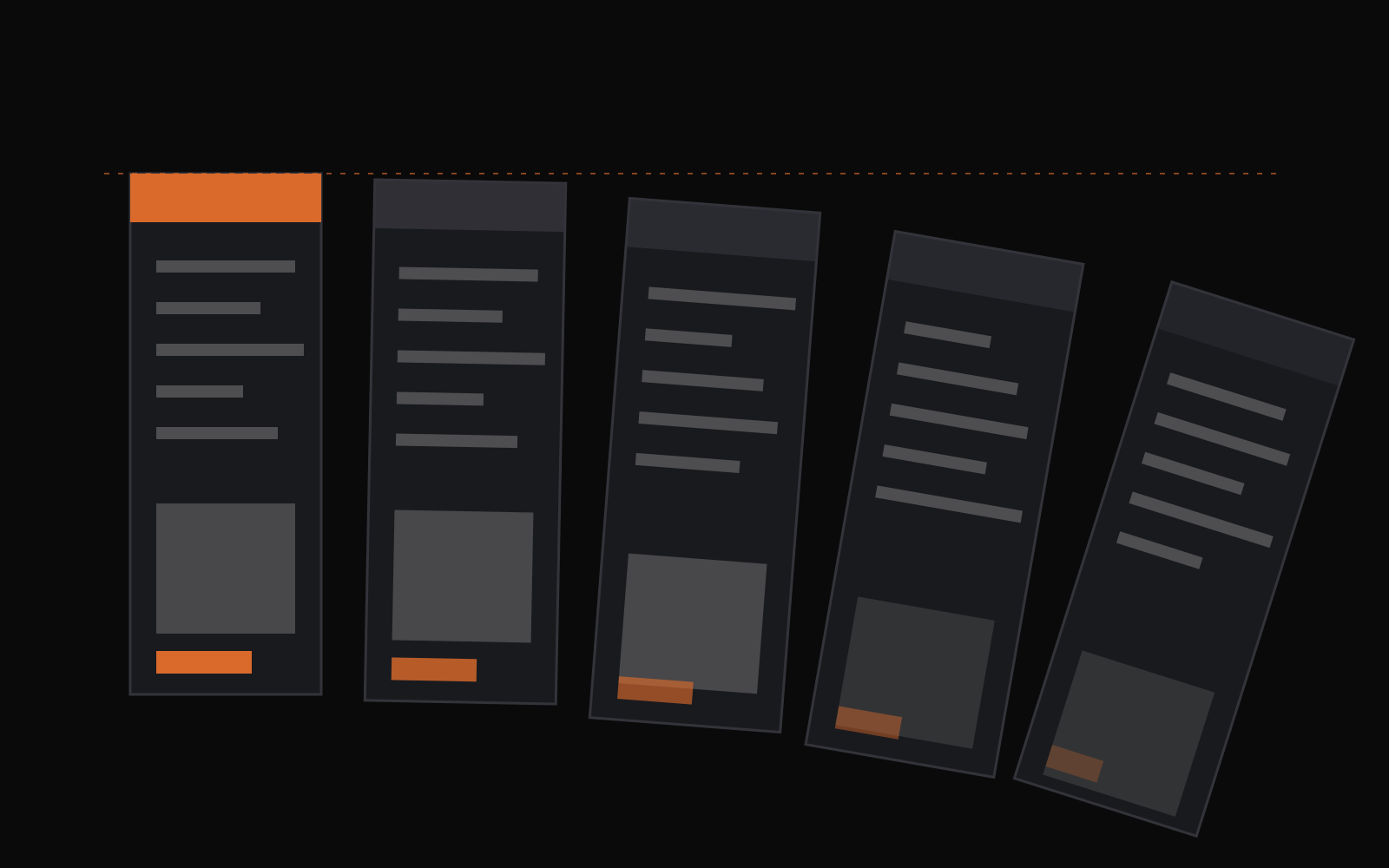
Each decision makes sense on its own. After two or three years, the platform looks very different. Features exist on some brands and not others. Shared components come in four versions. Bugs fixed on one brand reappear on another. Nobody has a full picture of which brand runs what.
What it costs
The first cost is speed. A change that should take a week takes a month, because it has to be tested across every variation and every brand has its own exceptions. Engineering estimates start including a “multi-brand factor” that nobody can explain to leadership.
The second cost is quality. Customers on the brand that missed an upgrade get a worse experience, and the data shows it as a weaker brand rather than as a platform problem. Decisions about marketing spend get made on numbers that partly reflect product drift.
The third cost is risk. In regulated markets, a compliance change has to land on every brand correctly. If brands run different versions of the same flow, each one is a separate change to make, test and evidence.
Keeping brands in parity
The aim is to give brands real freedom where it matters to customers, and none where it doesn’t. A few practices make the difference.
Keep a parity map. A simple, current view of which features and component versions each brand runs. Most organisations don’t have one, and building it is often the moment leadership realises how far things have drifted.
Separate brand from platform. Look and feel, content, promotions and local legal requirements belong to the brand. Core flows like sign-up, payments, account management and support belong to the platform, and should behave the same everywhere unless there’s a documented reason.
Then stop the drift from creeping back. Every brand-specific variation gets an owner and a review date, so it disappears when the reason for it does. And when a shared component changes, it goes to every brand within a set window. “This brand will catch up later” is how most drift starts.
Measure brands against each other. Comparing conversion, speed and error rates across brands on the same flow is one of the fastest ways to find product problems, because the brands act as a natural control group.
Who should own it
Parity rarely has an owner. Brand teams own their brands, platform teams own their components, and nobody owns the gap between them.
That gap needs one person with authority across brands who can say no to a variation, schedule the upgrades and report on drift to leadership. Without that, the platform’s economics slowly erode, and every new brand costs more than the last one instead of less.